Cleaning Guide: Safeguarding Your Rug While Removing Dirt
Keeping the aesthetic appeal and condition of your rugs while efficiently removing dirt can frequently feel to be a daunting task. Carpets not just boost the aesthetics of our living spaces but also offer coziness underfoot. Yet, they are vulnerable to stains, dirt, and wear over time. Understanding how to care for various kinds of carpets is essential to secure their longevity and visual condition.
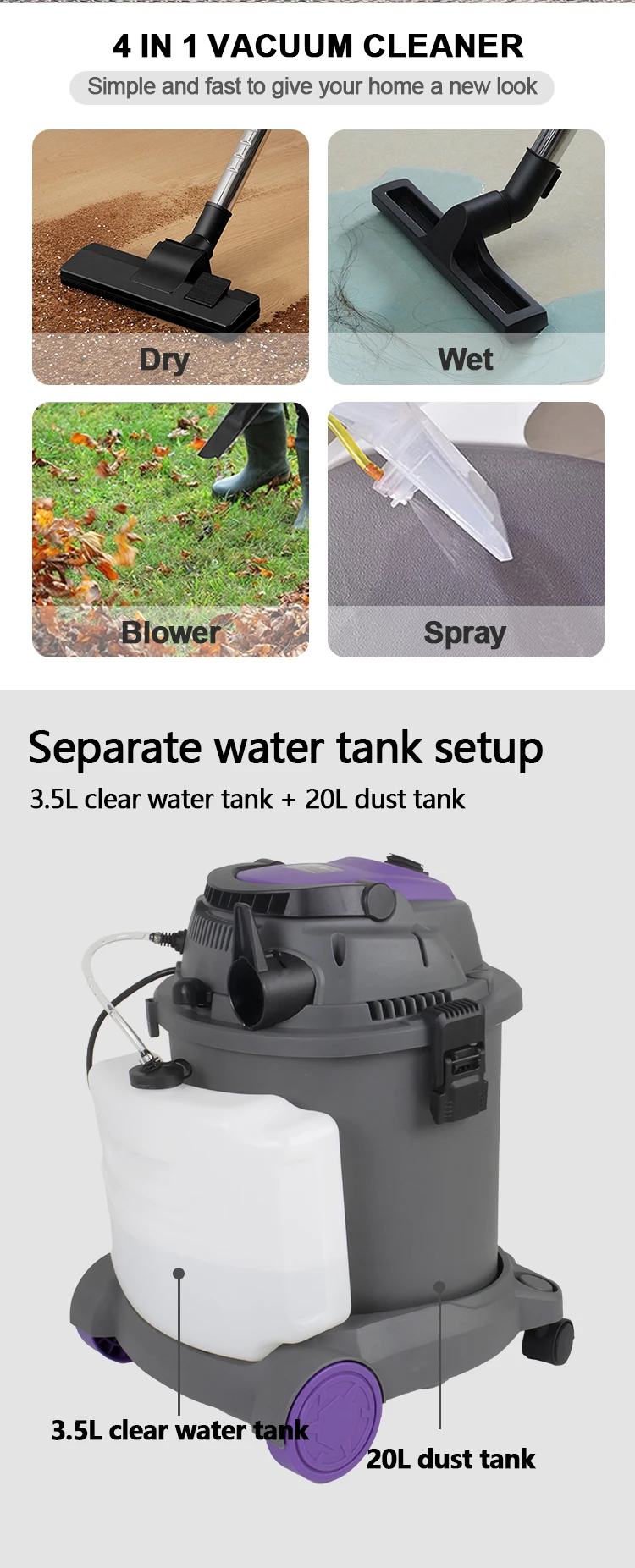
In this resource, we will discuss useful carpet cleaning tips tailored to multiple materials and textures. No matter if you have soft, tight-knit, or traditional rugs, understanding the appropriate techniques and tools can make a significant difference. Now dive into the top practices that will help you care for your carpets while achieving a tidy and new look.
Understanding Your Rug Type
Different types of floor coverings are made from multiple materials, and each kind has its own cleaning needs. Wool rugs are luxurious and robust, but they can be fragile and require specialized cleaning practices. Synthetic carpets, such as polyamide and polyethylene, tend to be more hard-wearing and stain-resistant, making them easier to care for. Knowing the makeup of your floor covering is essential for efficient cleaning while avoiding potential harm.
Another essential consideration to keep in mind is the floor covering's weave and fibers height. Berber floor coverings have a looped design that can retain dirt and particles, while cut pile carpets provide a gentler texture and are prone to revealing imprints and wear. High-pile rugs are soft and inviting but can be challenging to care for because grime can settle far into the threads. Proper recognition of your floor covering's texture and fiber will help you in choosing the appropriate care techniques and products.
Lastly, being aware of the floor covering's coverage and brand instructions can save you from costly errors. Different companies may suggest specific care products or techniques, so it's essential to adhere with those instructions. Always test cleaning products on a small, inconspicuous spot to make sure they do not damage your carpet before moving forward with a complete cleaning. This knowledge will help you keep the appearance and durability of your carpet while successfully eradicating grime.
Important Carpet Maintenance Tools
As far as properly maintaining carpets, possessing the appropriate tools is vital to prevent harm as you eliminating dirt. A suction device is the key tool for caring for various carpet. Opt for one with customizable settings to fit multiple pile heights and materials. Consistent vacuuming aids in removing loose dirt and dust, extending the longevity of your carpet.
In addition to a vacuum, carpet cleaning agents play a crucial role in the tidying up process. Seek out products especially formulated for your carpet type, such as wool, synthetic, or natural fibers. Make it a point to test a small, hidden area before administering any cleaning solution to make certain it will not discolor or harm the carpet.
Lastly, lint rollers and soft brushes are convenient tools for spot cleaning and maintenance. Lint rollers can swiftly pick up pet hair and debris, while soft brushes can assist in lift embedded dirt from the carpet fibers without causing causing harm. Having these tools on hand will facilitate keeping your carpets looking their best without damage during the cleaning process.
Detailed Cleaning Methods
Maintaining rugs effectively requires different approaches according to the type of rug fibers. For synthetic rugs, including polyester, a hoover with a beater head can be beneficial for removing dirt and debris. Start by thoroughly vacuuming the entire space to dislodge stubborn dirt. After cleaning, use a carpet cleaner with a suitable solution. Apply the cleaner following the provider's guidelines, ensuring uniform application, and allow it to rest for the suggested time before extracting with clean liquid.
Organic fiber carpets, such as hemp, require a gentler soft method. Begin by vacuuming to remove top dirt, then create a washing mix using a gentle detergent and water. It is vital to avoid drenching the carpet, as excessive moisture can cause mildew. Lightly sponge the solution onto the stained spots and gently scrub with a gentle tool. Rinse with a damp cloth to get rid of soap residue and blot to remove excess moisture to prevent water harm.
For delicate rugs, such as silk, possess a unique washing challenge. Start by vacuuming on a low suction level to avoid fiber harm. To wash, combine a small quantity of mild cleaner with lukewarm water. Using a soft cloth, lightly press the cloth into the solution and carefully blot the marks, staying clear of any aggressive scrubbing. Always make sure to try any detergent on a hidden discreet spot first to confirm for colorfastness before applying it broadly. After washing, let the carpet to air dry completely to maintain its quality.
Stain Removal Methods
When it comes to getting rid of spots from rugs, the first thing is always to respond quickly. Blot the spot with a fresh cloth or paper towel to soak up as much of the spill as you can, while being careful not to rub it, as this can spread the stain or push it deeper into the fabric. For fresh stains, warm water can often be sufficient to lift the mess. Just moisten the cloth and dab until the spot fades.
For tougher stains, a homemade cleaning solution can be effective. A combination of gentle dish soap and water works effectively for grease and food stains. For more challenging marks like red wine or pet accidents, a blend of white vinegar and water can help neutralize odors while breaking down the stain. Apply the solution to a cloth rather than directly to the rug to avoid oversaturation.
Always conduct a test on a hidden area of the rug before using any cleaning product. This ensures that the cleaner will not inadvertently discolor or harm the carpet. After addressing the spot, rinse the area with fresh water and blot dry. If necessary, repeat the process until the spot is completely gone, allowing the carpet to dry out between treatments.
Preventative Maintenance for Rugs
One of the best way to care for your carpet and prevent dirt accumulation is through routine vacuuming. Strive to https://bynum-haagensen.mdwrite.net/say-goodbye-to-stains-pro-approved-carpet-shampoo-strategies at least once a week, and more often in high-traffic areas. Employing a vacuum with strong suction and a rotating brush can effectively lift dirt, dust, and pet hair from your carpet fibers, keeping them clean and lengthening their lifespan.
Another key aspect of preventive care is to address spills and stains immediately. Blot the area with a clean cloth or paper towel to absorb the most liquid as possible, and do not rub, as it may harm the fibers. Utilize a gentle cleaning solution that is safe for your particular carpet type to handle the stain, and be sure to test it on a discreet area first to ensure it does not discolor the carpet.
Last but not least, it's wise to use area rugs and mats in high-traffic areas to protect your central carpet. These additional layers can catch dirt and reduce wear on the carpet below. Moreover, periodic professional cleaning can be advantageous, as it helps refresh the fibers and eliminates deeper dirt that regular vacuuming might not catch. Investing in preventive care will keep your carpets in great condition and extend their life substantially.